


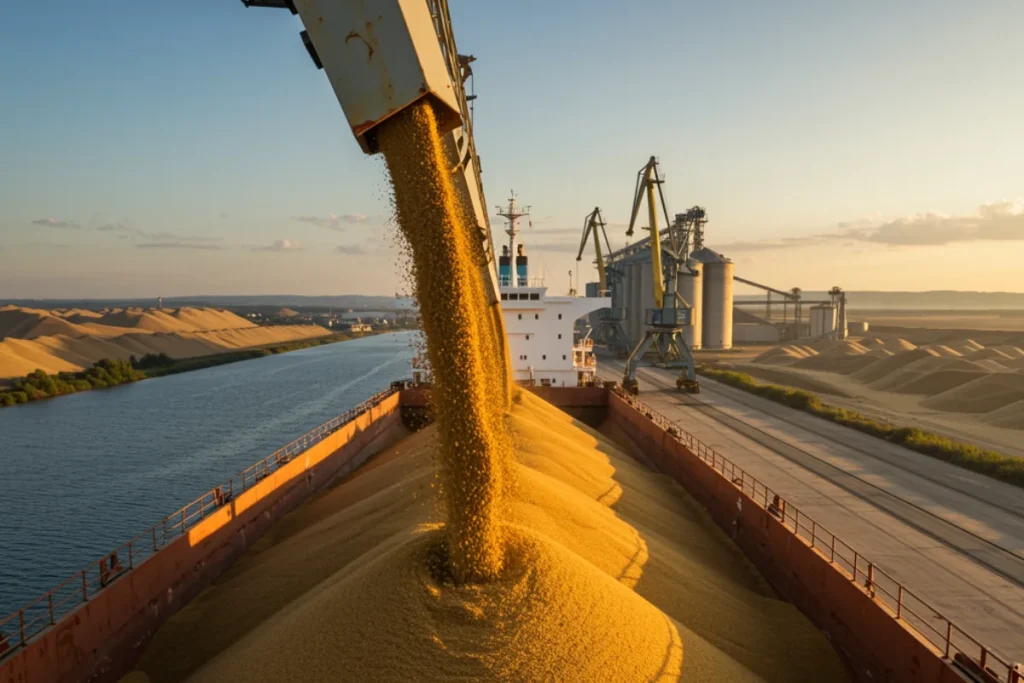
Soybean (Glycine max) is a highly valuable legume and one of the most important oilseed and protein-rich grains cultivated worldwide. As a versatile agricultural commodity, soybeans are used extensively in the food industry, animal feed, and biofuel production. Due to their high protein content and oil yield, soybeans are a key driver of global grain trade and play a crucial role in food security and industrial processing.
Typical characteristics include:
| Specification | Value |
|---|---|
| Moisture Content | 10 – 13% |
| Protein Content | 36 – 42% |
| Oil Content | 18 – 22% |
| Carbohydrates | 30 – 35% |
| Fiber Content | 4 – 6% |
| Ash Content | ≤ 5% |
Values may vary depending on crop variety, soil fertility, and processing requirements.
• High protein content suitable for both food and feed industries.
• Rich oil yield, making it one of the most important global oilseeds.
• Excellent amino acid profile, beneficial for animal nutrition.
• Adaptable cultivation in diverse climates and soil types.
• Long shelf life under proper storage conditions.
• Food Industry: Used in producing soy flour, soy protein isolate, soy milk, tofu, and soy-based meat alternatives.
• Animal Feed: Soybean meal is one of the most widely used protein supplements in poultry, cattle, and swine feed.
• Oil Extraction: Soybean oil is a leading edible oil, widely used in cooking and processed foods.
• Industrial Use: Feedstock for biodiesel, lubricants, plastics, and inks.
• Pharmaceuticals & Nutraceuticals: Source of isoflavones and essential fatty acids.
• Export Commodity: One of the top-traded agricultural products globally.
Soybeans are supplied and exported in:
• 50 kg polypropylene bags
• Bulk shipments in containers, railcars, or vessels
• Jumbo bags (1000 – 1200 kg) for industrial buyers
• Custom packaging available based on client requirements
• Store in cool, dry, and ventilated silos.
• Protect from pests, mold, and excessive moisture.
• Non-hazardous agricultural commodity, safe for handling.
• Complies with ISO, GAFTA, and international grain trade standards.
Soybean (Glycine max) is a highly valuable legume and one of the most important oilseed and protein-rich grains cultivated worldwide. As a versatile agricultural commodity, soybeans are used extensively in the food industry, animal feed, and biofuel production. Due to their high protein content and oil yield, soybeans are a key driver of global grain trade and play a crucial role in food security and industrial processing.
Typical characteristics include:
| Specification | Value |
|---|---|
| Moisture Content | 10 – 13% |
| Protein Content | 36 – 42% |
| Oil Content | 18 – 22% |
| Carbohydrates | 30 – 35% |
| Fiber Content | 4 – 6% |
| Ash Content | ≤ 5% |
Values may vary depending on crop variety, soil fertility, and processing requirements.
• High protein content suitable for both food and feed industries.
• Rich oil yield, making it one of the most important global oilseeds.
• Excellent amino acid profile, beneficial for animal nutrition.
• Adaptable cultivation in diverse climates and soil types.
• Long shelf life under proper storage conditions.
• Food Industry: Used in producing soy flour, soy protein isolate, soy milk, tofu, and soy-based meat alternatives.
• Animal Feed: Soybean meal is one of the most widely used protein supplements in poultry, cattle, and swine feed.
• Oil Extraction: Soybean oil is a leading edible oil, widely used in cooking and processed foods.
• Industrial Use: Feedstock for biodiesel, lubricants, plastics, and inks.
• Pharmaceuticals & Nutraceuticals: Source of isoflavones and essential fatty acids.
• Export Commodity: One of the top-traded agricultural products globally.
Soybeans are supplied and exported in:
• 50 kg polypropylene bags
• Bulk shipments in containers, railcars, or vessels
• Jumbo bags (1000 – 1200 kg) for industrial buyers
• Custom packaging available based on client requirements
• Store in cool, dry, and ventilated silos.
• Protect from pests, mold, and excessive moisture.
• Non-hazardous agricultural commodity, safe for handling.
• Complies with ISO, GAFTA, and international grain trade standards.